What Your Home Is Quietly Saying About You (And Whether You're Listening)
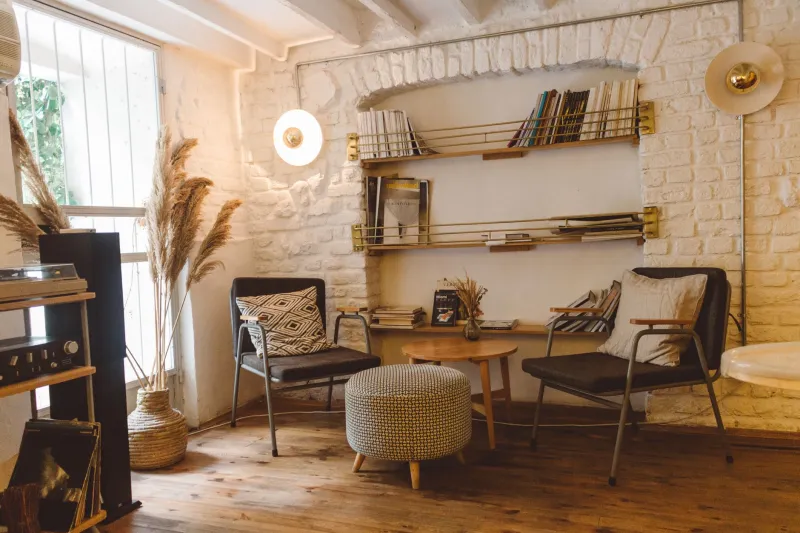
There's a moment most of us have had — standing in a room we've lived in for years, looking around like we're seeing it for the first time. Maybe a friend made an offhand comment. Maybe you watched a documentary. Maybe you just woke up one Tuesday with fresh eyes. And suddenly, the stuff surrounding you didn't feel neutral anymore. It felt like a mirror.
That moment? It's not just decluttering instinct kicking in. It's something much more interesting: the realization that your space is a physical autobiography. And whether you wrote it consciously or not, it's been telling your story every single day.
The Psychology of Surrounded-By
Environmental psychologists have spent decades studying what happens to us inside our spaces. The research is pretty consistent — the objects we live with shape our moods, our habits, and quietly, our sense of self. This isn't woo-woo territory. It's measurable.
When we're surrounded by things that align with our values — quality over clutter, beauty alongside function, meaning over trend — we experience what researchers call environmental congruence. Basically, our outsides match our insides. And that alignment produces a low-grade sense of calm and confidence that most people can't quite name but absolutely feel.
The reverse is also true. When your home is full of things you tolerated, impulse-bought, or inherited without asking, there's a constant low hum of disconnect. It's not dramatic. It's not a crisis. But it drains you in ways that are hard to trace.
The Curation Is Personal
Here's what's interesting about the way people at Ambiya Store think about shopping: the goal was never just to sell things. It was to help people find the right things — items that don't just fill space but reflect something true about the person choosing them.
Take Marisol, a graphic designer in Austin who spent years furnishing her apartment with whatever was cheap and available. "I had this beautiful, specific vision in my head of who I was — creative, intentional, someone who cared about craftsmanship," she told us. "But then I'd come home to this mismatched stuff that said none of that. It was like living in a costume that didn't fit."
When she started replacing things slowly and deliberately — one piece at a time, chosen because she genuinely loved it — something shifted. "I started feeling more like myself at home. Which sounds ridiculous, but it changed how I started my mornings and how I ended my evenings."
This isn't about wealth. Marisol wasn't buying expensive things. She was buying intentional things. That distinction matters enormously.
Values Made Visible
Think about what you genuinely believe in. Maybe it's sustainability. Maybe it's supporting small American makers. Maybe it's the idea that beauty should be accessible, or that comfort is a legitimate priority, not a luxury. Now look around your home. Do you see evidence of those beliefs?
For a lot of people, there's a gap. Not because they're hypocrites — but because shopping often happens on autopilot. We grab what's convenient, what's on sale, what a targeted ad served us at 11pm. None of those forces are particularly interested in helping us live consistently with our values.
That's where curation — real, thoughtful curation — becomes an act of self-authorship. When you choose a kitchen tool because it's made to last rather than made to be replaced, you're voting for durability. When you pick a throw blanket because it makes you genuinely happy every time you see it, you're voting for joy. These choices accumulate into an environment that reinforces who you want to be.
Derrick, a high school teacher in Columbus, Ohio, described it this way: "I grew up thinking that caring about your home was kind of superficial. Then I realized — no, it's actually one of the most honest things about a person. Your home is where your guard is down. It doesn't lie."
The Shift Happens Slowly
Nobody redesigns their identity in a weekend. And honestly, the most meaningful home evolutions happen in small, deliberate moves. A mug that makes your morning coffee feel like a ritual. A lamp that actually flatters the room instead of just illuminating it. A piece of art that makes you stop and look every time you pass it.
These aren't extravagances. They're anchors. And over time, they build an environment that quietly supports the life you're trying to live.
The key is developing the habit of asking, before you bring something home: Does this belong to the story I'm telling? Not in a precious or overthought way — just a quick gut check. Does this fit, or am I just filling space?
A Home That Grows With You
One thing worth acknowledging: your values aren't static. Who you are at 25 is not who you'll be at 45. And that means your space should be allowed to evolve too. Holding onto things out of guilt — because they were expensive, because someone gave them to you, because they represent a version of yourself you're not quite ready to release — keeps you tethered to a story that may no longer be yours.
Giving yourself permission to let things go, to upgrade thoughtfully, to replace the mediocre with the meaningful — that's not materialism. That's maintenance. It's keeping your space current with your life.
Ambiya's whole approach is built on this idea: that the things you choose to bring into your home should earn their place there. Not by being flashy or expensive, but by being genuinely right for you.
Start With One Room
If this is making you want to immediately overhaul everything — hold on. The most sustainable version of this shift starts small. Pick one room, or even one surface. Ask yourself what you'd keep if you were starting fresh. Then start there.
Your home doesn't need to be a magazine spread. It needs to feel like you. And that's a project worth taking seriously — not because stuff matters more than people or experiences, but because the environment you come home to every day has a quiet, persistent influence on everything else.
Your space is already talking. The question is just whether you've started listening.