Little Swaps, Big Life: How Upgrading One Thing at a Time Changes Everything
There's a particular kind of frustration that comes from living with things that almost work. The cutting board that slides around the counter. The office chair that's fine, technically. The coffee mug that's too wide for your car's cup holder. None of these are disasters. But every single day, they chip away at your comfort in ways you've probably stopped noticing — until you replace them and suddenly wonder how you tolerated it for so long.
This is the quiet power of the everyday upgrade. Not a renovation. Not a shopping spree. Just a deliberate, strategic swap that meets you where you already are and makes that place a little better.
Why Small Changes Hit Differently Than Big Ones
There's actual psychology behind why targeted product upgrades feel so satisfying. Researchers who study habit formation and environment design have long noted that our surroundings shape our behavior more than we realize. When you remove a friction point — something that requires extra effort, causes minor annoyance, or just doesn't fit your life well — your brain registers relief. And relief, repeated daily, compounds into genuine wellbeing.
Big overhauls, on the other hand, are exciting but exhausting. They require planning, budget, and a tolerance for disruption. Micro-upgrades sidestep all of that. You're not rebuilding your kitchen; you're replacing the one pan you reach for every morning. You're not redesigning your home office; you're swapping out a mouse pad for one with wrist support. The scope is small. The payoff, surprisingly, isn't.
The Kitchen: Where Quality Pays Back Daily
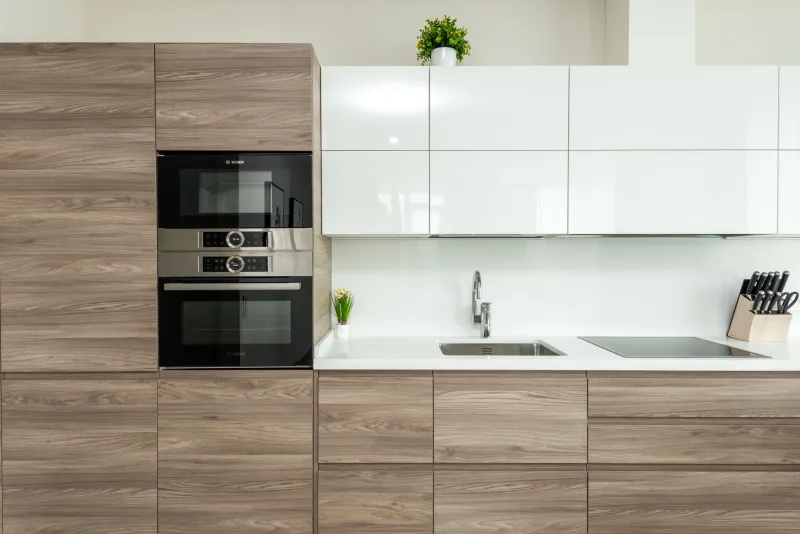
If you're going to start anywhere, start in the kitchen. It's the room most Americans interact with multiple times a day, which means even minor friction points get repeated exposure. A dull knife that requires extra pressure and makes prep work slower. A flimsy spatula that bends under the weight of a burger. A colander that tips over in the sink.
The items worth upgrading here aren't necessarily the most expensive ones on the market — they're the ones you use constantly. A sharp, well-balanced chef's knife is probably the single highest-return kitchen investment most home cooks can make. Pair that with a sturdy wooden cutting board that actually grips the counter, and your prep work transforms from a mild chore into something almost meditative.
A quality nonstick pan — one that actually releases food without a wrestling match — is another easy win. So is a reliable kettle with temperature control if you're a tea or pour-over coffee person. These aren't luxury items; they're tools that pay you back in saved time and reduced frustration every single morning.
The Desk: Your Productivity Zone Deserves Attention
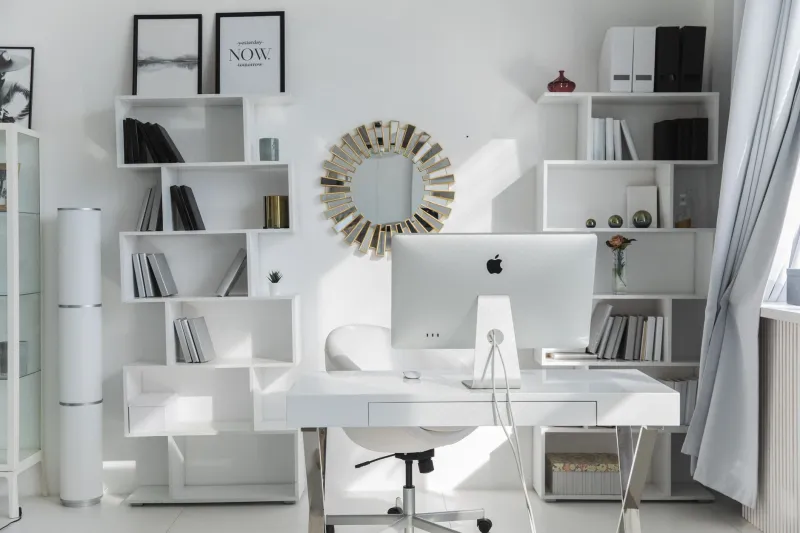
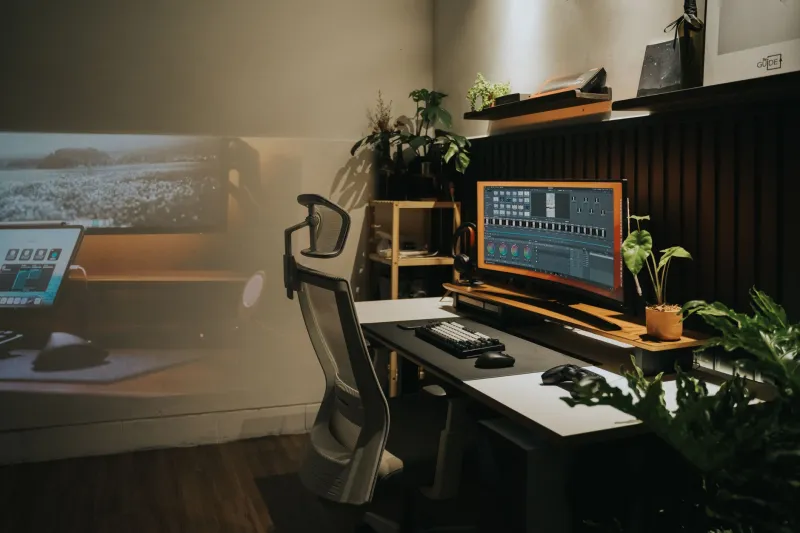
With remote and hybrid work now a permanent fixture for millions of Americans, the home desk setup has gone from afterthought to critical infrastructure. And yet so many people are still working at makeshift arrangements that cause real problems — neck strain, wrist fatigue, the inability to focus because the space just doesn't feel right.
Here, a few targeted swaps make a significant difference. A monitor stand or adjustable arm that brings your screen to eye level is one of the best things you can do for your posture. An ergonomic mouse — particularly one that keeps your wrist in a neutral position — can reduce the kind of cumulative strain that builds quietly over months. A desk mat that covers a wide area gives your workspace visual cohesion and protects your surface, but it also just feels better to work on.
Lighting is another underrated upgrade. A quality desk lamp with adjustable color temperature reduces eye strain and makes late-afternoon work sessions significantly more bearable. These aren't dramatic changes, but stack them together and your desk goes from a place you tolerate to a place you actually want to spend time.
The Bedroom: Small Touches, Real Rest
Sleep quality is one of the most impactful variables in how you feel and function — and yet most people spend years tolerating a sleep setup that's only okay. The mattress is the big-ticket item, but there's a lot of ground to cover before you get there.
Pillowcases made from natural fibers like cotton percale or bamboo feel noticeably cooler and smoother than synthetic blends. A white noise machine or a quality sleep mask can meaningfully reduce the ambient disruptions that fragment sleep without you fully waking. Even something as simple as a better bedside lamp — one with a warm, dimmable glow — helps signal to your body that it's time to wind down.
These are modest investments. But consider that you spend roughly a third of your life in your bedroom. Even marginal improvements to that environment have an outsized return on how rested and functional you feel during the other two-thirds.
How to Pick Your First Swap
If you're not sure where to start, try this: for the next week, pay attention to the moments in your day where you feel mild friction. Not crisis-level frustration — just the low-grade resistance of something that doesn't quite work right. Note it. At the end of the week, look at your list. The item that shows up most often — or that occurs at a moment in your day that sets the tone for everything after — is your starting point.
Then do a little research. Read reviews from people who use the item the same way you would. Look for durability, ease of use, and whether the upgrade actually solves the specific problem you have. At Ambiya Store, we put a lot of thought into curating products that earn their place in a real household — not just things that look good in a photo, but things that hold up to actual daily life.
The Bigger Picture
The art of the everyday upgrade isn't about accumulating more stuff. It's about being intentional with what you already have and what you choose to bring into your space. When you replace something that's not working with something that genuinely does, you're not adding clutter — you're refining your environment.
Over time, these small, thoughtful swaps add up to something meaningful: a home that supports how you actually live, a daily routine that has fewer rough edges, and a quiet but real sense that your space is on your side. That's not a small thing. That's kind of everything.