These 5 Home Categories Flew Under the Radar — Until Now
Not every game-changing product comes with a Super Bowl commercial. Some of the most genuinely useful things you can bring into your home sneak up on you — you don't notice how much you needed them until they're already part of your daily routine and you can't imagine going back.
That's kind of the story with these five categories. They're not flashy. They're not necessarily trending on TikTok (though some are starting to). But they're making a real, measurable difference in how people live — and if you haven't explored them yet, now's a solid time to start.
1. Ergonomic Desk Accessories
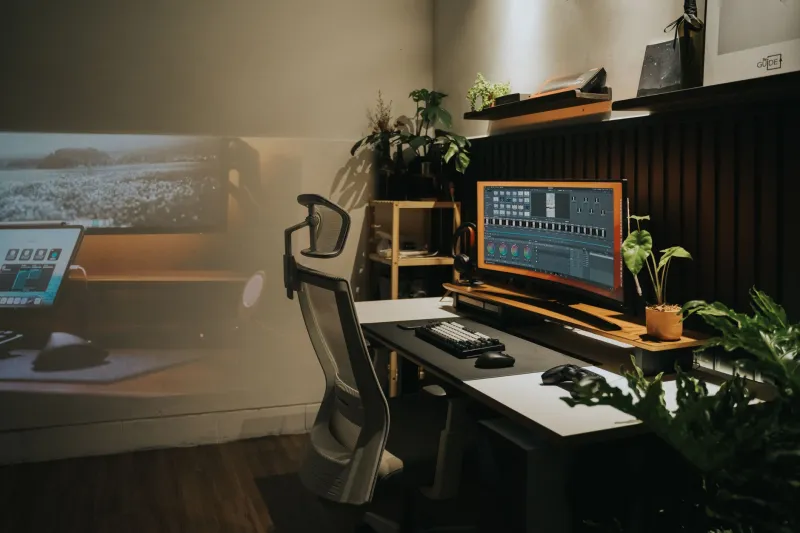
Why it matters now: The work-from-home era didn't just change where Americans work — it changed what we expect from our workspaces. When your dining table becomes your office, the physical toll adds up fast. Neck strain, wrist issues, and chronic back discomfort have pushed a lot of people to finally take their desk setup seriously.
Ergonomic accessories — monitor risers, wrist rests, vertical mouse designs, document holders, laptop stands — aren't just for people with existing injuries. They're preventive tools, and they make a surprisingly significant difference in how you feel at the end of a workday.
What to look for: Adjustability is the key word here. Your body isn't static, and your setup shouldn't be either. Look for accessories that can be repositioned and that accommodate your actual height and working posture, not some theoretical average. Materials matter too — you'll be touching these things for hours every day, so comfort and durability should be non-negotiable.
The bottom line: A $40 monitor stand isn't exciting. But when you stop getting headaches by 3pm, it starts to feel like one of the best purchases you've ever made.
2. Indoor Air Quality Monitors
Why it matters now: Most Americans spend around 90% of their time indoors, yet indoor air quality rarely gets the attention it deserves. Wildfire smoke, VOCs from furniture and cleaning products, humidity fluctuations, carbon dioxide buildup from poor ventilation — these are real issues that affect sleep, focus, and long-term health, and most of us have no idea they're happening.
Air quality monitors have come a long way. The best ones now track multiple variables simultaneously — particulate matter, CO2 levels, humidity, temperature, and VOCs — and display the data in ways that are actually readable without an engineering degree.
What to look for: Accuracy matters more than features here. Look for monitors that have been validated against professional-grade equipment, and prioritize ones that track PM2.5 (fine particulate matter) since that's the measurement most directly linked to respiratory health. Bonus points for devices that integrate with smart home systems if you're already in that ecosystem.
The bottom line: You can't fix what you can't see. Knowing what's actually in your air is the first step toward doing something about it.
3. Modular Storage Systems
Why it matters now: American homes are getting smaller on average — or at least feeling smaller as the stuff inside them keeps growing. The storage industry's response for decades was to sell more containers. The smarter response, which is finally gaining mainstream traction, is to sell systems that actually adapt to your space and your needs.
Modular storage — shelving units, drawer systems, closet organizers, and pantry solutions that can be reconfigured and expanded over time — is a fundamentally different approach. Instead of buying a product that fits your life right now, you're investing in a framework that grows with you.
What to look for: Compatibility and longevity. A modular system is only as good as the manufacturer's commitment to keeping components available over time. Check whether replacement parts and add-ons are readily accessible, and look for systems built from materials that can handle real daily use — not just the first six months of enthusiasm.
The bottom line: The best storage solution isn't the one with the most compartments. It's the one you'll still be using — and adding to — five years from now.
4. Wellness Technology for the Home
Why it matters now: "Wellness tech" used to mean fitness trackers and smart scales. The category has expanded significantly. Sleep optimization tools, light therapy devices, guided breathing gadgets, red light therapy panels, and even simple circadian lighting systems are all finding their way into American bedrooms and living rooms — and the research behind many of them is genuinely compelling.
The appeal isn't just about health optimization in the abstract. It's about people taking a more active role in how they feel day to day, using tools that meet them where they are — at home, in their regular routines.
What to look for: Be appropriately skeptical of bold health claims without clinical backing, but don't dismiss the category wholesale. Look for devices with transparent research citations, clear instructions, and realistic expectations. The best wellness tech integrates naturally into your existing routine rather than demanding a complete lifestyle overhaul.
The bottom line: You don't need to turn your living room into a biohacking lab. But a few well-chosen tools can make a genuine difference in how you sleep, how you feel in the morning, and how you manage daily stress.
5. Sustainable Kitchen Tools
Why it matters now: The kitchen is one of the biggest sources of household waste — single-use plastics, disposable paper products, low-quality gadgets that break after a season. A growing number of Americans are looking for alternatives that are both better for the environment and, frankly, better to use.
Beeswax wraps instead of plastic wrap. Silicone storage bags that actually seal properly. Bamboo utensils that don't melt when they touch a hot pan. Compost bins that don't smell terrible. These aren't sacrifices — they're upgrades that happen to also be more sustainable.
What to look for: Durability is the real sustainability metric. A product that's marketed as eco-friendly but falls apart in six months isn't actually helping anyone. Look for items with clear material sourcing, realistic lifespan expectations, and practical designs that work as well as (or better than) the conventional alternatives they replace.
The bottom line: Sustainable kitchen tools aren't about being perfect. They're about making better default choices — the kind that quietly add up to something meaningful over time.
None of these categories are going to win any awards for glamour. But that's kind of the point. The products that actually change how you live aren't usually the ones that get the most attention — they're the ones that show up every single day and quietly make things better. That's the kind of product worth looking for.