Used and Proud: How Secondhand Shopping Became the Ultimate Flex
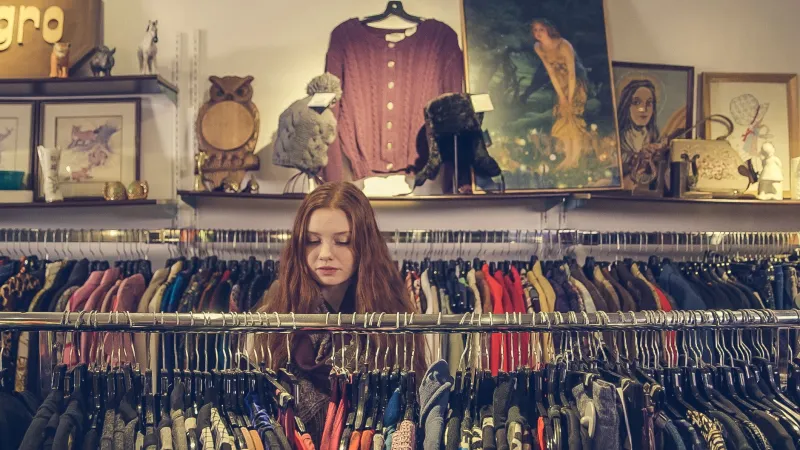
Not long ago, finding a piece of furniture at a thrift store was something you'd mention only after the compliments started rolling in. "Oh, this? It was actually from Goodwill" — delivered with a slightly sheepish grin. But something has fundamentally changed. These days, that same confession lands more like a mic drop. People aren't hiding their secondhand scores anymore. They're leading with them.
The cultural script around pre-owned shopping has been quietly — and then suddenly — rewritten. What was once coded as a last resort has become a deliberate, even aspirational, lifestyle choice. And it's happening across income levels, age groups, and design aesthetics.
From Frugal to Fashionable: A Shift in Perception
The resale market in the US has exploded over the past decade. Platforms like Chairish, Facebook Marketplace, eBay, Poshmark, and even niche Instagram sellers have made it easier than ever to find quality goods outside the traditional retail pipeline. According to various industry estimates, the secondhand market is on track to outpace fast fashion within the next few years — and that's not just vintage clothing. Furniture, home goods, electronics, and collectibles are all part of the wave.
But the real story isn't just economic. It's cultural. There's a growing segment of shoppers — particularly Millennials and Gen Z — who actively distrust the mass-produced. They're not just looking for a deal. They're looking for something with a history, a story, a reason to exist beyond a factory floor and a quarterly earnings report.
Owning something rare, well-made, and irreplaceable has become its own kind of status. And in a world where everyone has access to the same IKEA catalog, that kind of distinction matters.
The Environmental Driver That's Actually Working
Sustainability conversations have a reputation for making people feel guilty without giving them anywhere useful to go. But secondhand shopping is one of those rare cases where the ethical choice and the practical choice overlap almost perfectly.
When you buy a used piece, you're extending its useful life, keeping it out of a landfill, and skipping the emissions associated with manufacturing something new. That's not a small thing — the furniture and home goods industry has a significant environmental footprint, and most people don't think twice about it when they're clicking "add to cart" on a new sofa.
What's different now is that environmental awareness isn't just a background motivation anymore. For a lot of shoppers, it's become part of how they define their identity. Choosing secondhand is a values statement, and it's one that tends to invite conversation rather than shut it down.
Real People, Real Rooms: What Secondhand Curation Actually Looks Like
Talk to anyone who's built a home primarily through resale channels and you'll notice a few things pretty quickly. Their spaces tend to feel layered in a way that new-everything rooms rarely do. There's a mix of eras, materials, and textures that creates visual interest without looking like a showroom.
Take someone like Maya, a graphic designer in Austin who furnished her entire apartment through a combination of Facebook Marketplace, local estate sales, and Craigslist over about 18 months. Her living room has a 1970s walnut credenza, a pair of mid-century chairs she reupholstered herself, and a vintage Persian rug she found for a fraction of what a reproduction would have cost. The whole room cost less than a single new sectional from a mid-range furniture retailer — and it looks like nothing else on the block.
Or consider James, a retired teacher in Portland who started buying vintage kitchen tools and cookware after getting frustrated with the quality of new products. He's built a collection that includes cast iron pieces from the 1940s and copper pots that have outlasted three generations of owners. "New stuff just doesn't hold up the same way," he says. "Older pieces were made to last."
These aren't outliers. They're part of a growing community of shoppers who've discovered that patience, a good eye, and a willingness to dig can yield results that outperform retail — on every metric.
How to Actually Find the Good Stuff
The biggest barrier to secondhand shopping isn't access — it's knowing how to look. Here's how to get better at it without spending every weekend haunting estate sales.
Start with a list, not a scroll. Aimless browsing on resale platforms can feel overwhelming fast. Know what you're looking for before you open the app. Search specific terms — "solid wood dresser," "vintage ceramic lamp," "cast iron skillet pre-1960" — and set up alerts so new listings come to you.
Learn to read quality signals. Dovetail joints on drawer boxes. Solid wood versus veneer. Brass hardware versus zinc alloy. These details tell you a lot about how a piece was made and how long it'll last. A few hours of research upfront saves a lot of regret.
Don't sleep on local options. National platforms are great, but local Facebook Marketplace listings, neighborhood buy-nothing groups, and estate sales often have the best prices because there's less competition. Get to know your local market.
Factor in the full cost. Sometimes a secondhand piece needs a little work — cleaning, minor repairs, new hardware. Build that into your math. Even with some investment, a well-made vintage piece usually comes out ahead of a comparable new item in both cost and durability.
Be patient, but move fast. Good pieces go quickly. Once you find something that fits your criteria and your budget, don't overthink it. Have your measurements ready, ask the right questions upfront, and be prepared to act.
The New Definition of Good Taste
There's something worth naming here that doesn't get said often enough: buying secondhand requires more skill than buying new. You have to know what you're looking at. You have to understand quality, proportion, and condition. You have to be willing to imagine what something could become, not just what it is right now.
That's a different kind of shopping literacy — and it's one that tends to produce better results, more interesting spaces, and a deeper relationship with the things you own.
The old status symbols were about newness. Fresh out of the box, first to have it, full retail price paid without flinching. But that playbook is starting to feel dated. The new markers of sophisticated taste are about intentionality, quality, and the kind of story that only time can give something.
Buying used isn't settling. For a growing number of smart shoppers, it's the whole point.