Build Once, Live Forever: The Art of Designing a Home That Evolves With You
Here's a thought that might take some pressure off: your home doesn't need to be done. Not now, not ever, really. The idea that you're supposed to land on one perfect aesthetic and lock it in forever is kind of exhausting — and honestly, not how most people actually live.
Life moves. Tastes shift. You go through a phase where you love warm terracotta tones, and then three years later you're drawn to something cooler and more minimal. Your family grows, or it shrinks. You move from a studio apartment in Chicago to a craftsman house in the Pacific Northwest. What worked before stops working — and that's completely okay.
The smarter approach? Think in layers. Instead of committing to a single, static vision, you build your home the way a good wardrobe gets built: with a solid foundation, flexible middle pieces, and rotating accents that keep things fresh without requiring a total gut job every few years.
Start With the Foundation — And Make It Count
The foundation of your space is everything that's difficult, expensive, or annoying to change. We're talking furniture that anchors a room — a sofa, a bed frame, a dining table, a bookcase. These are the pieces worth investing in, not because they need to be flashy, but because they need to be neutral enough to carry whatever comes next.
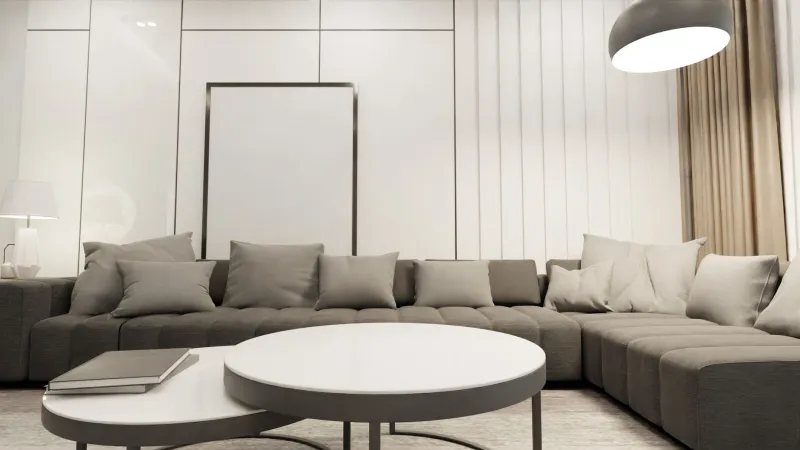
Think of foundational pieces as the base layer of an outfit. They don't need to make the statement — they just need to hold everything else together. A well-made, neutral-toned sofa in a classic silhouette will work with warm boho accents just as well as it'll work with clean, modern styling. Same goes for a solid wood dining table or a simple upholstered bed frame in a muted color.
When you're shopping for foundational items, ask yourself: Will I still want this in ten years? If the answer leans toward yes, it's probably a good buy. If you're on the fence because it's very on-trend right now, that's a sign to keep looking.
The Middle Layer: Functional Flexibility
Once your foundation is in place, the middle layer is where you get to have a little more fun — and where adaptability really starts to pay off. Think rugs, curtains, lighting, storage pieces, and accent chairs. These items are easier to swap than a sofa, but they still do a lot of heavy lifting when it comes to setting the tone of a room.
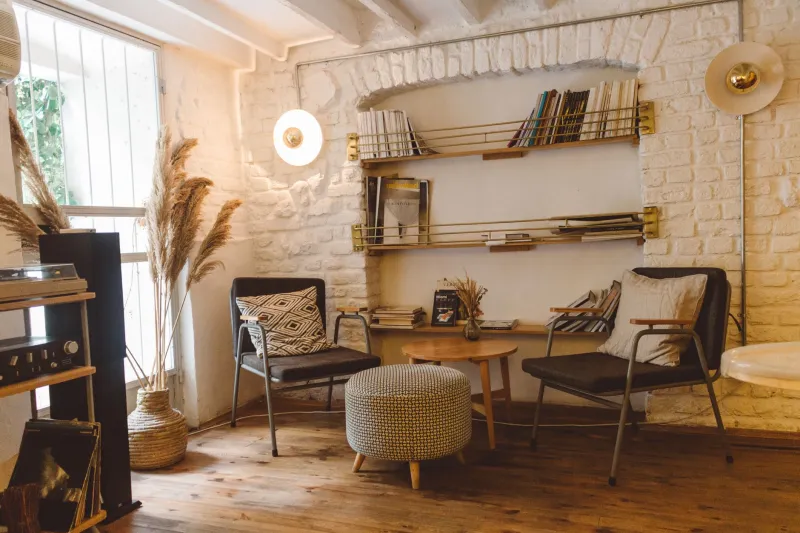
The trick here is to choose pieces that serve double duty. A warm-toned area rug can ground a living room and add texture without boxing you into one style. Linen curtains in an off-white or soft natural shade work in almost any aesthetic. A rattan side table adds character but doesn't scream any one particular vibe.
This is also where you can start to express your personality a bit more. If you're currently into a maximalist, color-forward look, lean into it here — just know that when your taste shifts (and it will, at least a little), these pieces are the ones you'll update first. That's not a flaw in the plan; it's the whole point.
Seasonal Rotations: The Easiest Win You're Probably Skipping
One of the lowest-effort, highest-impact habits you can build as a homeowner or renter is the seasonal swap. Twice a year — let's say spring and fall — take an hour to rotate out your smaller textiles and accents. Swap heavy throw blankets for lighter cotton ones. Bring in some warmer tones as fall rolls in, and then let things breathe again with softer, airier pieces come spring.
This practice alone can make your home feel intentionally designed without costing much. A set of throw pillow covers (not whole pillows — just the covers) can completely change the energy of a living room for under $40. A different table runner, a new set of hand towels in the bathroom, a small seasonal arrangement on the entryway table — none of these are big moves, but together they add up to a home that feels cared for and alive.
American homes tend to be lived in hard — kids, pets, guests, work-from-home setups, all of it. Seasonal rotations are a way of resetting without overhauling, and they give you a reason to actually look at your space twice a year and ask: Is this still working for me?
The Accent Layer: Where Your Story Lives
This is the top layer — the stuff that's most personal, most changeable, and most expressive. Art, plants, books, candles, ceramics, travel souvenirs, family photos. These are the things that make a home feel like your home rather than a showroom.
The accent layer is also where most people make the mistake of either going too sparse (it feels cold and impersonal) or too cluttered (it becomes visual noise). The goal is curation, not collection. Choose things that mean something to you or that genuinely bring you joy when you look at them. Everything else can go.
Because these pieces are easy to move, replace, or pass along, you can be a little more experimental here. Try something you've been curious about — a bold piece of wall art, a sculptural lamp, a vintage find from an estate sale. If it doesn't work, you haven't committed to a $1,200 sofa. You've just learned something about what you like.
Designing for the Life You're Actually Living
The layered approach to home design isn't just an aesthetic strategy — it's a practical one. It acknowledges that you're a person who changes, and that your home should be built to change with you rather than resist it.
When you're starting out, maybe your foundation is secondhand or budget-friendly. That's fine. As you grow into a better financial position, you upgrade the foundation. As your style matures, the middle layer evolves. As your life fills up with new experiences and relationships, the accent layer reflects that.
You don't need to have it all figured out at once. The best homes aren't the ones that look like they were designed in a single afternoon — they're the ones that have been thoughtfully built over time, with intention and a little patience.
Start where you are. Buy well where it counts. Keep the rest flexible. Your home will thank you for it.