Stop Buying More, Start Giving Better: The Case for Intentional Gift-Giving
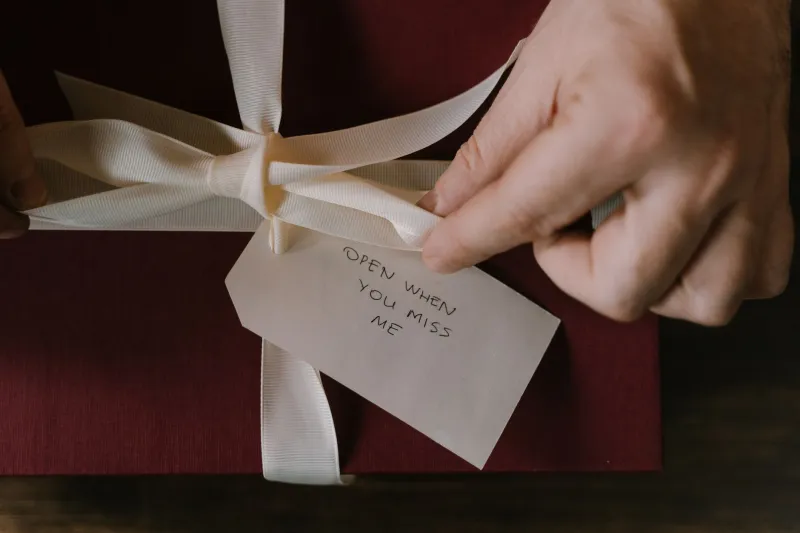
Here's a scene most of us have lived through: It's the morning after a birthday or holiday, wrapping paper everywhere, a stack of gift bags piled in the corner. Someone opens box after box with a polite smile, says all the right things, and then quietly sets most of it aside. A week later, half of it ends up in a donate pile or shoved into a closet shelf.
We've been trained to equate volume with effort. More gifts, more love. A fuller cart, a fuller heart. But that's not really how it works — and honestly, most of us already know it.
The Weight of Too Much
There's a real psychological cost to receiving a lot of stuff at once. Researchers who study gift-giving behavior have found that recipients often feel overwhelmed when they're handed an abundance of items — especially when those items feel generic or impersonal. The experience of opening something shifts from joyful to almost obligatory. You start performing gratitude rather than actually feeling it.
On the flip side, when someone receives a single item that clearly took thought — something that references an inside joke, a hobby they mentioned once in passing, a product that solves a specific problem they've been complaining about — the emotional response is completely different. It signals that someone was paying attention. That they remembered. And that feeling? It sticks.
This is the gift-giving paradox: more doesn't mean more meaningful. In fact, abundance often dilutes the message you're trying to send.
Why We Default to Overbuying Anyway
Let's be real about why so many of us pile on the gifts. A lot of it comes down to anxiety — specifically, the fear of coming up short. What if one thing isn't enough? What if they already have it? What if it looks like you didn't care?
So we hedge our bets. We add a candle, a gift card, a random kitchen gadget, a throw blanket. We bulk up the package until it looks impressive, even if none of the individual pieces are particularly meaningful.
Retailers are pretty good at encouraging this behavior, too. Bundle deals, "complete the set" suggestions, last-minute add-ons at checkout — all of it nudges us toward spending more than we planned, often on things that don't actually serve the person we're shopping for.
Breaking that cycle takes a little intention. But it's worth it — for your wallet, your relationships, and honestly, for the planet too.
What Intentional Giving Actually Looks Like
Intentional giving doesn't mean cheap giving. It means focused giving. Here's how it tends to show up in practice:
You do a little research. Maybe your sister mentioned she's been getting into sourdough baking. A well-chosen proofing basket or a quality bench scraper tells her you were listening — even if it costs less than the random spa set you almost grabbed instead.
You lean into their specific life, not a general version of them. Generic gifts — bath bombs, scented candles, novelty socks — aren't bad. But they're often chosen for a category of person rather than the actual human standing in front of you. Intentional gifts feel specific. They reference something real.
You're comfortable with fewer items. One genuinely great thing beats three okay things. It's a mindset shift, but once you make it, shopping actually gets easier. You're not trying to fill a basket — you're trying to find the thing.
You consider how they'll use it. A gift that integrates into someone's daily life — something they'll reach for regularly — creates repeated moments of connection. Every time they use it, there's a little reminder of you.
A Few Real-World Examples
Consider a dad who mentioned offhand that he always burns his coffee by the time he gets to it in the morning. A quality insulated travel mug — one that actually keeps drinks hot for hours — isn't flashy, but it's exactly right. He'll use it every single day.
Or think about a college friend who's been grinding through a stressful job transition. Instead of a generic "treat yourself" gift set, you find a well-reviewed book on career reinvention that you know aligns with her specific situation. It says: I see what you're going through, and I believe in you.
Neither of these requires a big budget. Both of them require attention.
How to Break the Overspending Habit
If you're used to buying big for the people you love, scaling back can feel uncomfortable at first — even when you know it's the smarter move. A few strategies that help:
Set a meaningful budget before you start browsing. Not a number you'll blow past, but one you'll actually stick to. Constraints are creative. They force you to look harder for the right thing instead of settling for more things.
Write down two or three things you know about the person. Their current hobbies, a recent challenge they've mentioned, something they've been wanting to try. Use that list as your filter when you shop.
Give yourself time. Last-minute shopping is where intentional giving goes to die. When you're rushing, you default to whatever's easy and available. Give yourself a week — even just a few extra days — and you'll make better choices.
Ask, when it's appropriate. There's nothing wrong with asking someone what they actually want or need. It's not unromantic — it's respectful. It shows you'd rather get it right than guess.
The Relationship ROI of Getting It Right
Here's what nobody really talks about: a well-chosen gift does something a stack of mediocre ones never can. It deepens trust. It communicates that you're paying attention to someone's actual life — not just checking a box on a social calendar.
Gifts, at their best, are a form of communication. They say: I know you. I thought about you. You matter enough for me to put in the work.
That message doesn't require a big spend. It requires care. And care, it turns out, is the one thing you can't buy in bulk.
At Ambiya Store, we're big believers in the idea that better is almost always more valuable than more. Whether you're shopping for someone else or building out your own home and lifestyle, the principle holds: curated beats cluttered, every single time.